
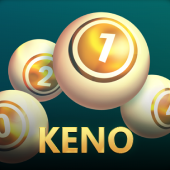
Keno Cards Game
Keno is a number-selection Cards Game on XOPLAY that rewards a calm reading of the ticket, the draw flow and the limits chosen before play. This page gives new visitors a compact Keno Demo orientation and a practical framework for evaluating each round.
The Keno interface is easiest to understand when selections are treated as a fixed decision rather than a prediction. Review the board, choose a manageable set, check the ticket and then observe the draw. A Keno round is random; no visual pattern can turn a past result into a certain next result.
Quick view: category: cards; format: number selection; focus: clear choices, round limits and measured review. Use the XOPLAY game lobby when you are ready to explore.
What Is Keno?
Keno presents a numbered field and asks the player to mark numbers before the draw. The result is read by comparing the drawn set with the selected set. This simple structure makes Keno approachable, while the many possible combinations mean that every round should be considered independently.
A useful Keno Demo mindset is to learn the sequence without assigning meaning to streaks. Notice where the number board sits, how a selected mark is displayed, where the confirmation control appears and how the result is reported. These observations help with navigation, not with forecasting.
For players who like to compare formats, Olympus Glory offers a different way to browse a cards category. Keno itself remains a focused exercise in selection and review rather than a promise of a particular outcome.
Before opening a round, set a time and spending boundary. When that boundary is reached, stop and review your session away from the game. The XOPLAY access point is there for entertainment, not for financial planning.
How to Play Keno
Use the following sequence to become familiar with a Keno round. It is a process guide, not a winning formula.
- Set a session boundary: decide your time and entertainment budget before opening the game.
- Read the board: identify the available number field and the current selection state.
- Choose deliberately: mark only the numbers you intend to include, without chasing a previous result.
- Review the ticket: check the count and displayed selections before using the confirmation control.
- Observe the draw: let the round complete, then compare the drawn numbers with your ticket.
- Record and pause: note the round if useful, but do not treat a record as evidence that the next result is due.
If you are learning the controls, start with the Keno Demo view when available and concentrate on the order of actions. When you understand the interface, keep the same discipline in live play.
Want another number-focused comparison? Browse the XOPLAY cards selection and choose a format that fits your planned session.
Keno Features
Number Board
A clear field keeps selections visible before confirmation.
Ticket Review
Review chosen numbers before the round begins.
Draw View
Follow the result presentation one step at a time.
Mobile Layout
Compact controls suit a phone-first XOPLAY session.
Session Rhythm
Pause between rounds to keep decisions intentional.
Simple Learning
A Keno Demo can explain the flow before a first session.
These features describe responsibilities in the interface rather than a promise about results. Tap controls carefully, keep the device within reach and leave enough space for the fixed navigation bar.
For a themed alternative, the Open Sesame Mega page can help you compare how another game presents its own choices and pacing.
A Statistical View of Keno
Thinking like a statistician means separating a round's mechanics from its story. A draw has a defined selection space, and a particular result does not become more or less likely because a different result appeared earlier. Past draws can be logged for personal review, but a log cannot forecast the next draw.
When comparing tickets, ask objective questions: how many numbers were selected, what result condition is being evaluated, and what is the cost of repeating the choice? Avoid describing a session with unsupported certainty. A sound review states what happened and leaves unknowns unknown.
- Sample: one round is one observation, not proof of a long-term trend.
- Independence: prior outcomes should not be used as a signal that a number is “due.”
- Exposure: more rounds increase time and spend, so a larger sample also increases opportunity for loss.
- Comparison: use the same boundaries when evaluating different sessions.
There is no guaranteed Keno strategy, and this page does not assign an RTP or odds figure that is not supplied by the game record. Read the displayed rules and applicable terms before participating.
Keno Strategies for Measured Play
A strategy can organize decisions, but it cannot change a random draw. The most useful Keno strategy is therefore a routine that protects attention and keeps the session within a limit.
Before the round
- Choose a fixed session amount that is separate from essential expenses.
- Decide how many rounds you will observe before taking a break.
- Select numbers once, then avoid changing them because of a recent result.
During the round
- Confirm the ticket slowly and check for accidental selections.
- Do not increase a stake to recover a loss or follow a perceived streak.
- Take a pause when attention, mood or decision quality changes.
After the round
- Stop at the boundary you set, whether the session felt positive or negative.
- Review the process rather than labeling a result as skill or certainty.
For a second option within the same broad entertainment collection, open the Mummy Lock Riches page and compare its presentation without carrying assumptions from Keno into another game.
Related Games
 5 Card Poker
 Cards Hi Lo
 Coin Pusher
 Coin Toss
 Ali Baba
 Asgardian Rising
 Aztec Priestess
 Boxing King
These related titles use real game records from the XOPLAY cards, hot and slot categories. A related game is not a prediction or recommendation; choose only after checking its own rules and your own limits.
Keep the same careful approach when you move from Keno to another format: learn the controls first, then decide whether it belongs in your planned session.
Keno FAQ
For account, access or responsible-play questions, consult the site's available help information and take a break whenever play no longer feels controlled.
Ready to Explore Keno?
Keno is most useful as a clear, measured Cards Game experience: understand the board, confirm the ticket, observe the draw and keep the session within its boundary. The Keno Demo orientation can help you learn the sequence, while a statistical mindset keeps uncertain outcomes in perspective.
Choose entertainment funds only, never chase a loss and stop when your planned limit is reached. When you are ready to view the available game environment, use the button below.
Open the XOPLAY game experience and keep your choices intentional.